.avif)
How to Protect Your Roof from Summer Heat
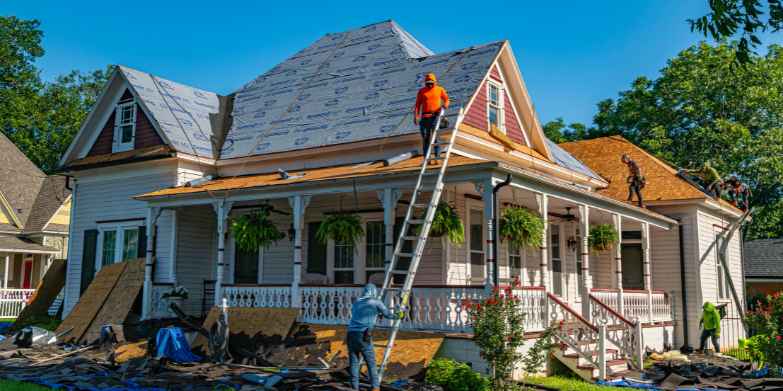
Summer brings longer days and warmer weather, but it can also place extra strain on your roof. While many homeowners think of heavy rain, snow and strong winds as the biggest threats, prolonged heat and ultraviolet rays can gradually damage roofing materials without obvious warning signs. Over time, this can lead to cracked tiles, weakened roofing felt, damaged flashing and costly repairs.
Protecting your roof from summer heat is an important part of property maintenance. Taking a few simple preventative steps can help preserve your roof, improve energy efficiency and extend its lifespan. At Northern Heritage Roofing, we help homeowners identify potential roofing problems before they become expensive repairs, ensuring roofs remain strong and weather resistant throughout every season.
Understand the Impact of Summer Heat on Roofing Materials
Your roof is exposed to direct sunlight for hours every day during the summer months. Continuous exposure to heat and ultraviolet rays can slowly affect many common roofing materials, even when temperatures seem relatively mild.
Roofing felt may become dry and brittle over time, making it more likely to crack or split. Slate tiles and concrete roof tiles can gradually fade, while repeated heating and cooling causes materials to expand and contract. This process, known as thermal expansion, places additional stress on roof joints, flashing and fixings.
Flat roofs are particularly vulnerable because they absorb more heat throughout the day. Roofing membranes may soften, blister or deteriorate after prolonged exposure to strong sunlight.
Although these changes often develop gradually, they can reduce your roof's lifespan if left unchecked. Regular maintenance helps identify early signs of wear before they lead to leaks or structural damage.
Inspect Your Roof After Heatwaves
Following periods of particularly warm weather, it is worth carrying out a visual roof inspection from ground level. Heat related damage may not always be immediately obvious, but early signs often appear before larger problems develop.
Look carefully for curling or slipped roof tiles, blistering on flat roofing materials, cracked flashing around chimneys or roof windows and visible gaps around roof joints. Discolouration may also indicate that roofing materials have been affected by prolonged ultraviolet exposure.
If you notice any sagging sections or areas that appear uneven, it is important to arrange a professional inspection as soon as possible. Small defects can quickly worsen once heavy rainfall returns, allowing water to enter the roof structure.
Regular roof inspections provide peace of mind and allow repairs to be completed before significant damage occurs.
Improve Loft Ventilation
Many homeowners focus on protecting the outside of their roof but overlook what happens beneath it. Poor loft ventilation allows heat to build up inside the roof space, increasing temperatures that can affect both roofing materials and insulation.
When hot air becomes trapped inside the loft, it can accelerate the ageing of timber structures, reduce the effectiveness of insulation and encourage condensation when temperatures change.
Proper attic airflow allows warm air to escape while helping maintain a more stable internal temperature. Soffit vents, ridge ventilation systems and roof ventilation products all contribute to healthier airflow throughout the roof space.
Good ventilation also supports moisture control. Even during summer, trapped moisture can contribute to mould growth and timber deterioration if the roof space cannot breathe properly.
Improving loft ventilation benefits both the roof structure and the comfort of your home throughout the year.
Trim Nearby Trees
Trees provide welcome shade during hot weather, but branches growing too close to your property can create unnecessary risks for your roof.
Overhanging branches may scrape roof tiles during windy conditions, gradually wearing away protective surfaces or loosening individual tiles. Falling leaves can also collect in roof valleys and gutters, preventing rainwater from draining away properly.
Trees may also provide easy access for birds, squirrels and other wildlife, increasing the likelihood of nesting or damage around roof edges.
Keeping nearby trees well maintained helps reduce these risks while allowing better airflow and sunlight across the roof surface. Seasonal pruning also reduces the amount of debris entering gutters during summer storms and autumn leaf fall.
Protect Flat Roofs from Heat Damage
Flat roofs require particular attention during warm weather because they receive direct sunlight throughout the day with very little natural cooling.
Prolonged heat can soften roofing membranes, causing blistering, bubbling or small surface cracks. If these issues are ignored, water may eventually penetrate beneath the waterproof layer and damage the underlying roof structure.
Modern UV protective coatings provide an additional layer of defence by reducing the effects of sunlight on roofing materials. Heat reflective membranes also help reduce solar heat absorption, improving both roof performance and indoor comfort.
Ponding water should also be monitored carefully. Although associated more commonly with rainfall, poor drainage following summer storms can increase wear on already heat stressed roofing materials.
If your flat roof is showing signs of ageing, resurfacing or upgrading to a modern roofing system may provide greater durability and long term protection.
Keep Gutters Clean
Gutters play an essential role in protecting your property throughout the year, including during summer.
Leaves, moss and debris often accumulate during spring, reducing the ability of gutters to handle sudden heavy downpours. Summer storms can arrive quickly, and blocked gutters may cause water to overflow onto walls, fascia boards and roof edges.
Overflowing water may eventually seep beneath roof coverings or contribute to damp problems around the property. In more serious cases, poor drainage can even affect foundations if water repeatedly collects around the building.
Regular gutter cleaning allows rainwater to flow freely through downpipes and drainage systems while reducing unnecessary pressure on the roof.
As part of routine roof maintenance, gutters should be checked several times each year, particularly after storms or periods of heavy leaf fall.
Consider Heat Reflective Roof Upgrades
If your roof is approaching the end of its service life or requires significant repairs, summer can be an ideal time to consider improvements that enhance long term performance.
Modern reflective roofing materials help reduce heat absorption by reflecting more sunlight away from the roof surface. Cool roof systems, insulated roofing membranes and energy efficient roofing products all contribute to maintaining more comfortable indoor temperatures.
Improved insulation beneath the roof covering also reduces heat transfer into the home, helping lower energy consumption during warmer months.
These upgrades not only improve comfort but also reduce ongoing stress on roofing materials, helping extend the life of the entire roof system.
Book a Professional Roof Inspection
While homeowners can identify some visible roofing problems, many issues remain hidden until damage becomes more advanced.
A professional roof inspection provides a detailed assessment of your roof's condition, allowing experienced roofers to identify potential concerns before they become expensive repairs.
During an inspection, roofing specialists will assess roof tiles, flashing, ridge lines, flat roofing systems, drainage, ventilation and signs of thermal or ultraviolet damage. They will also check for loose materials, blocked drainage points and areas vulnerable to future leaks.
Routine inspections form an important part of preventative maintenance, helping homeowners plan repairs before emergency situations arise.
At Northern Heritage Roofing, our experienced team provides comprehensive roof inspections designed to protect your property throughout every season.
Prevention Is Better Than Repairs
Looking after your roof during the summer does not require major renovation work. Regular inspections, good ventilation, clean gutters and prompt attention to small defects all help protect your roofing investment for years to come.
Preventative maintenance allows minor issues to be resolved before they develop into larger structural problems, reducing repair costs and avoiding unnecessary disruption.
Protecting your roof from summer heat also helps preserve your property's appearance, improve energy efficiency and maintain its long term value.
Whether your home has a traditional slate roof, tiled roof or modern flat roofing system, investing in routine roof maintenance today can save significant time and expense in the future. With the right care and professional support, your roof can continue protecting your home through every season.
Frequently Asked Questions
Can summer heat really damage a roof?
Yes. Prolonged exposure to heat and ultraviolet rays can cause roofing materials to expand, dry out, crack or deteriorate over time, particularly on older roofs and flat roofing systems.
How often should I inspect my roof during summer?
It is a good idea to carry out a visual inspection after periods of very warm weather and arrange a professional roof inspection at least once a year.
Why is loft ventilation important?
Good loft ventilation helps reduce heat build up, protects roofing materials, improves insulation performance and reduces the risk of moisture related problems.
Are flat roofs more vulnerable during hot weather?
Yes. Flat roofs absorb more direct sunlight than pitched roofs, making them more susceptible to blistering, membrane deterioration and heat related wear.
How can Northern Heritage Roofing help protect my roof?
Northern Heritage Roofing provides professional roof inspections, roof repairs, flat roofing services and preventative maintenance to help homeowners protect their roofs from summer heat, extend roof lifespan and reduce the risk of costly future repairs.
Still Have Questions?
Click the button below to contact us